Lee County · FL
Mold Removal in Cape Coral, FL
Mold & Allergy LLC provides physician-led mold removal, remediation, and inspection across Cape Coral and surrounding Lee County neighborhoods including Pelican, Cape Coral Yacht Club, Burnt Store. Certified, fully licensed and insured.





About Mold in Cape Coral
Cape Coral has over 400 miles of canals — more than any other city in the world — and every waterfront home has a 24/7 elevated humidity source 30 feet from its slab. The Yacht Club and Tarpon Point Marina neighborhoods are entirely canal-adjacent, with seawalls that can leak below the waterline and pump moisture into yard soil for years before anyone notices. The non-canal neighborhoods inland (Burnt Store, Sandoval) have different problems — newer construction with tight building envelopes that trap moisture from cooking, showers, and aquariums without adequate makeup-air ventilation.
Why Mold Is a Problem in Cape Coral
The canal exposure means Cape Coral has the highest mean outdoor humidity in our service area — typically 5-8 points above Naples year-round. Indoor humidity tracks outdoor humidity any time someone opens a door, and the building envelope can't keep up. Combined with the regional housing stock's age (Cape Coral's biggest building boom was 1990s-2000s with construction defects now showing), we see continuous remediation demand here.
Neighborhoods We Serve in Cape Coral
- Pelican
- Cape Coral Yacht Club
- Burnt Store
- Sandoval
- Tarpon Point
- Cape Harbour
ZIP codes served: 33904, 33909, 33914, 33990, 33991, 33993.
Our Services
From initial inspection to complete remediation, we handle every step with physician-level care and precision.
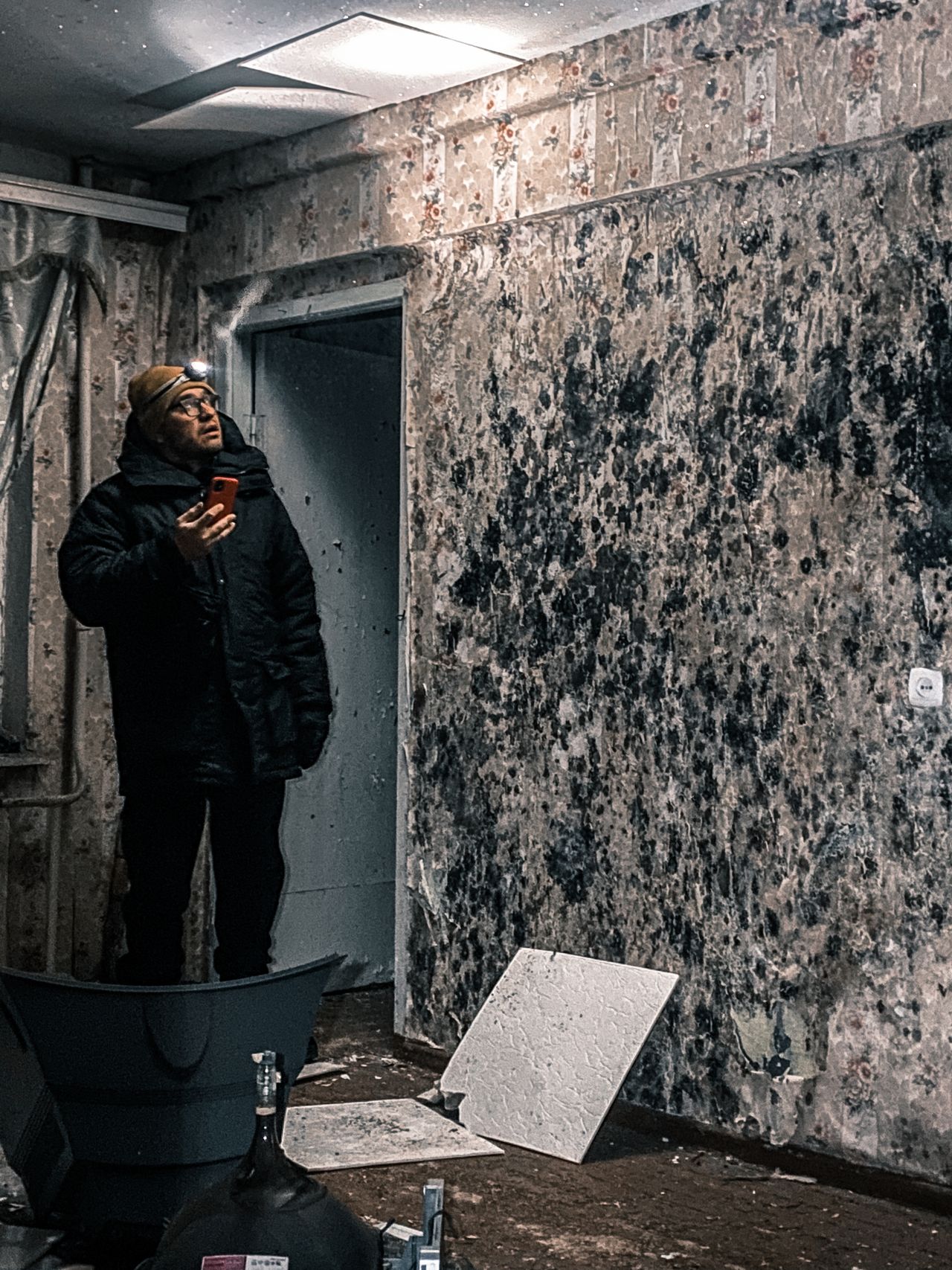
Mold Inspection
Visual and air quality assessment of your property. Receive a comprehensive report detailing findings and recommended next steps.

Mold Testing
Lab-certified sample analysis to identify mold species and assess health risks. Accurate results you can trust.
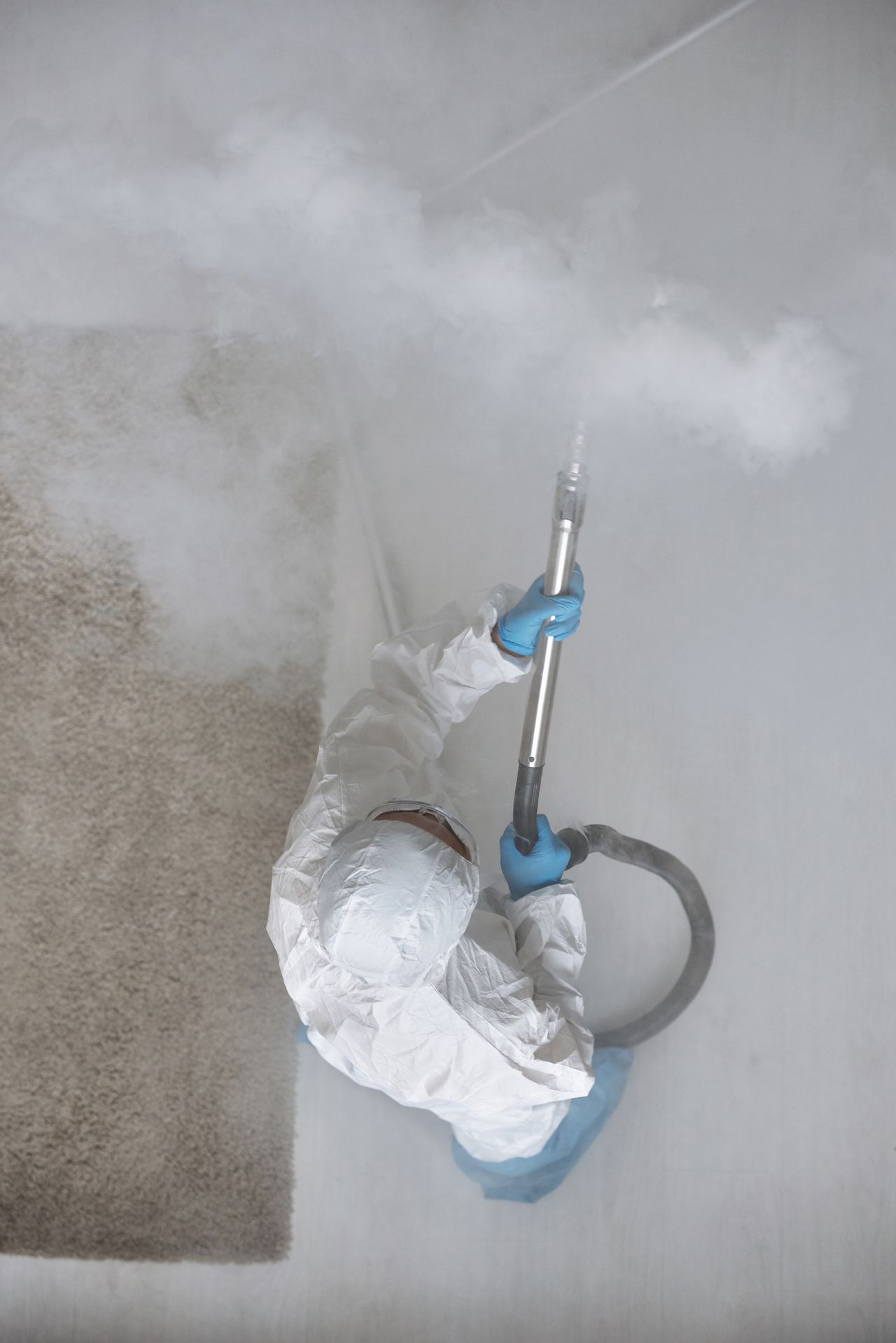
Mold Removal & Remediation
Complete mold removal, containment, treatment, and clearance testing — including black mold remediation — with before/after documentation.
Types of Mold We Identify and Remove
We test for 19 mold species and spore categories — the same panel an AIHA-accredited Florida lab reports on every spore-trap. The six most common indoor species are shown first; expand the panel below to see every category we test for.
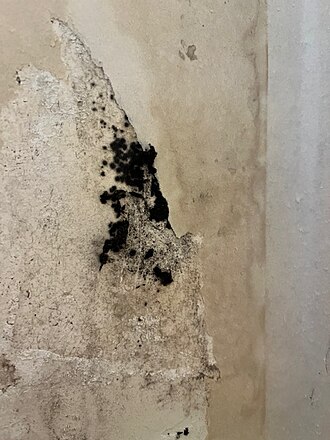
Black Mold
Stachybotrys chartarum
Often labeled "toxic black mold" — produces mycotoxins linked to respiratory irritation, chronic coughing, and worsened allergies in sensitive individuals. Removal should be done by certified, fully suited professionals.
- Where it's found
- Drywall, ceiling tiles, and wood that has stayed wet for 7+ days — typically after a roof leak, slab-leak, or hidden plumbing failure. Memnoniella, a closely related genus, is grouped with Stachybotrys on most lab reports.
- What it looks like
- Dark green-black, slimy or wet appearance when active.
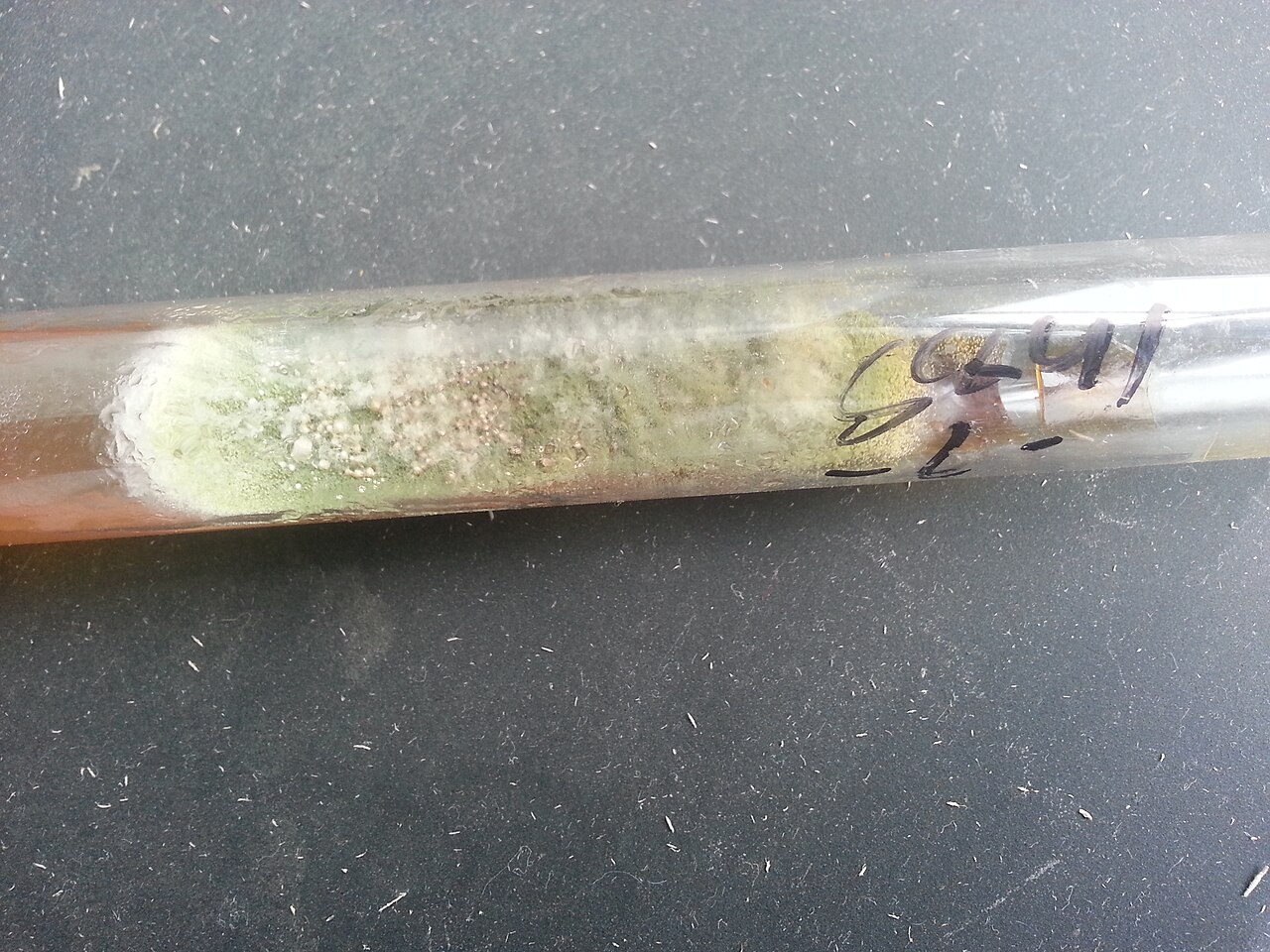
Aspergillus
Aspergillus spp.
One of the most common indoor molds. Most species are harmless to healthy adults but can trigger asthma, sinus infections, or aspergillosis in immunocompromised individuals.
- Where it's found
- HVAC systems, damp insulation, food, leather, paper. Loves warm humid air — a near-constant concern in Florida.
- What it looks like
- Yellow, green, brown, or black powdery patches; often fuzzy at the edges.
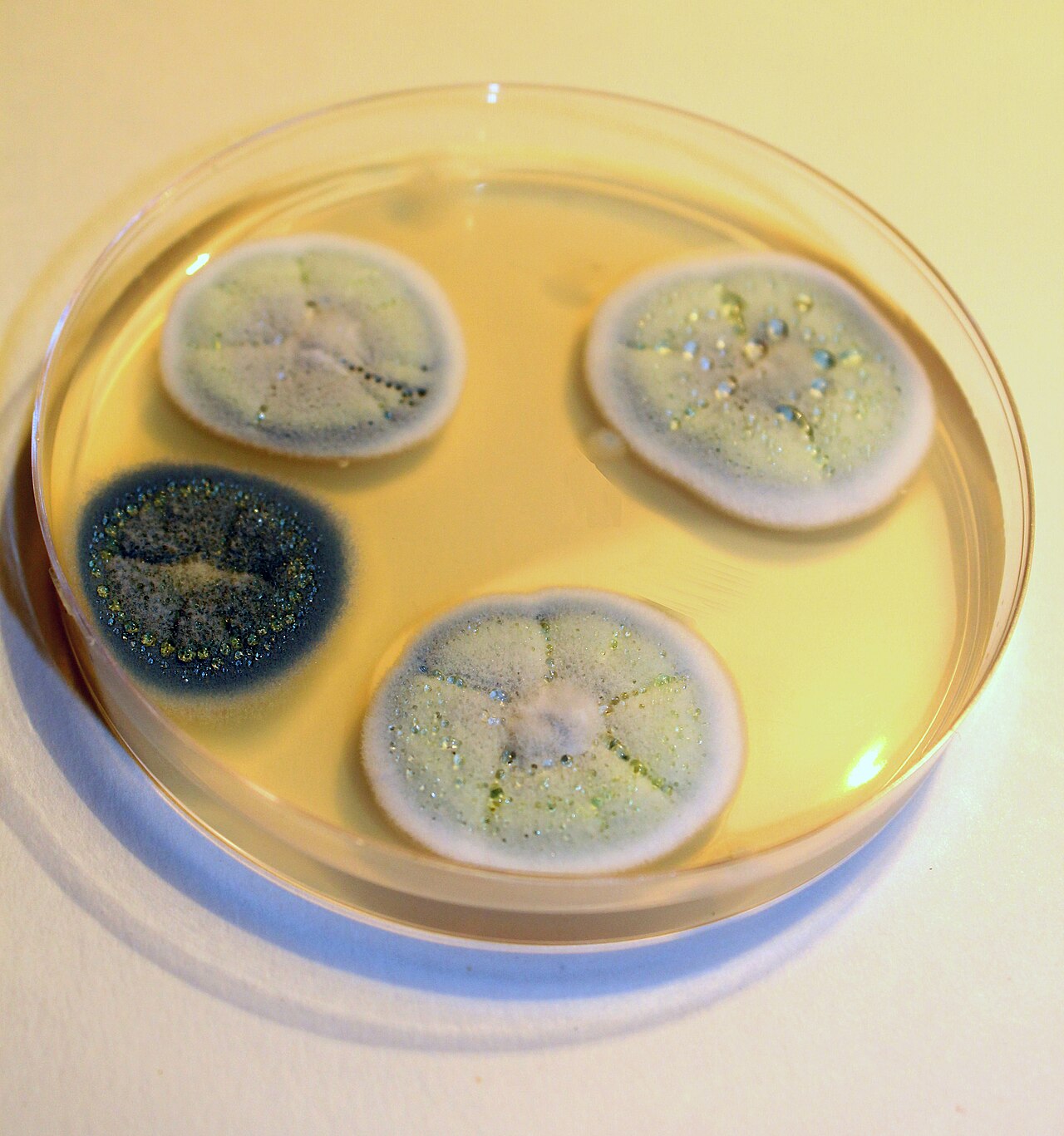
Penicillium
Penicillium spp.
Common allergy trigger. Continuous exposure can worsen asthma and cause chronic sinus inflammation. Some species produce mycotoxins on water-damaged building materials.
- Where it's found
- Water-damaged carpets, wallpaper, mattresses, and fabric. Frequently appears within 24–48 hours of a leak.
- What it looks like
- Blue-green or grey powdery patches; smells musty.
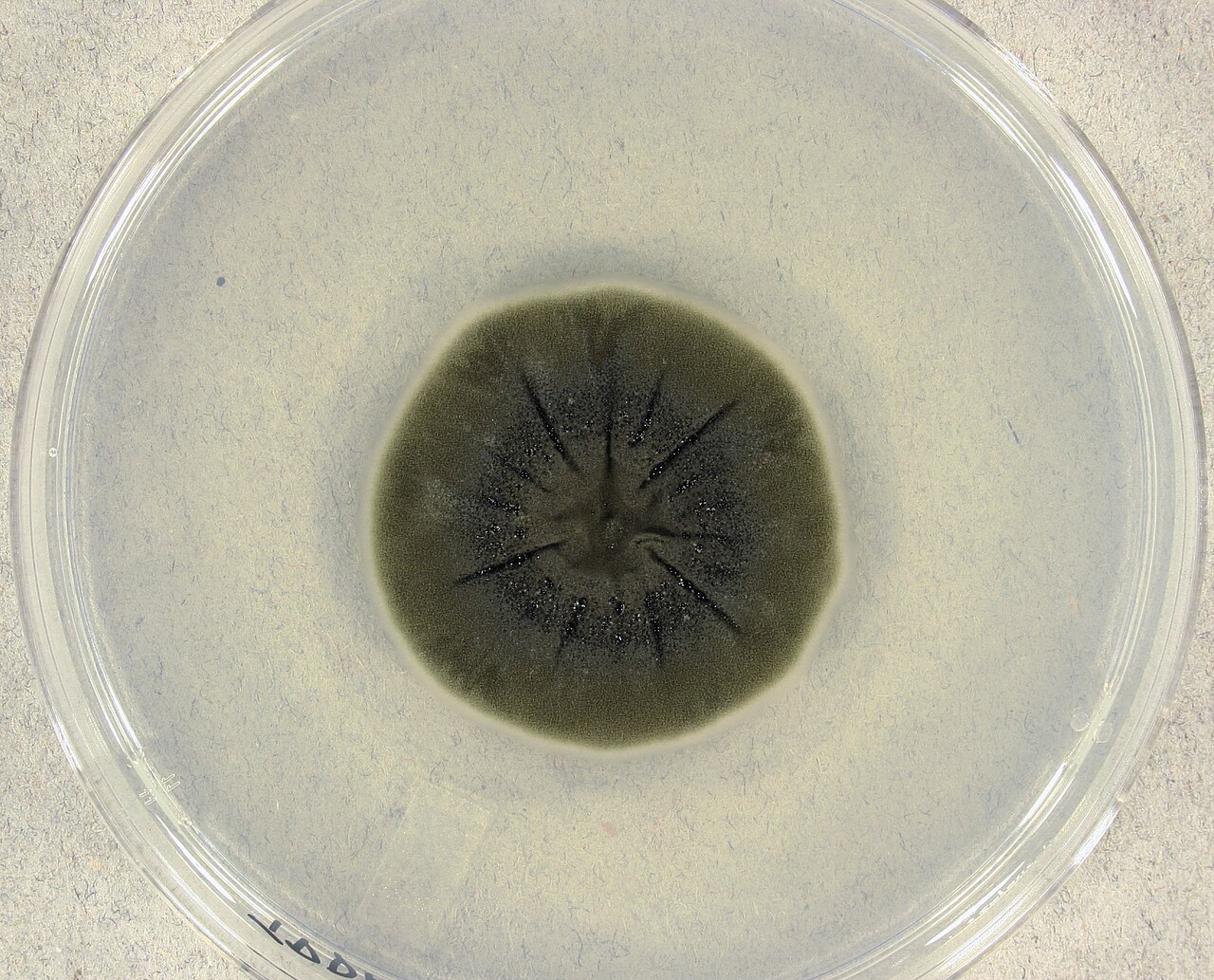
Cladosporium
Cladosporium spp.
Triggers hay-fever-like symptoms, asthma flares, and skin rashes. Tolerates cool temperatures, so it can grow even in refrigerators and AC drip pans.
- Where it's found
- Bathrooms, kitchens, basements, HVAC drip pans, behind toilets, on shower grout.
- What it looks like
- Olive-green to black; velvety or suede-like texture.
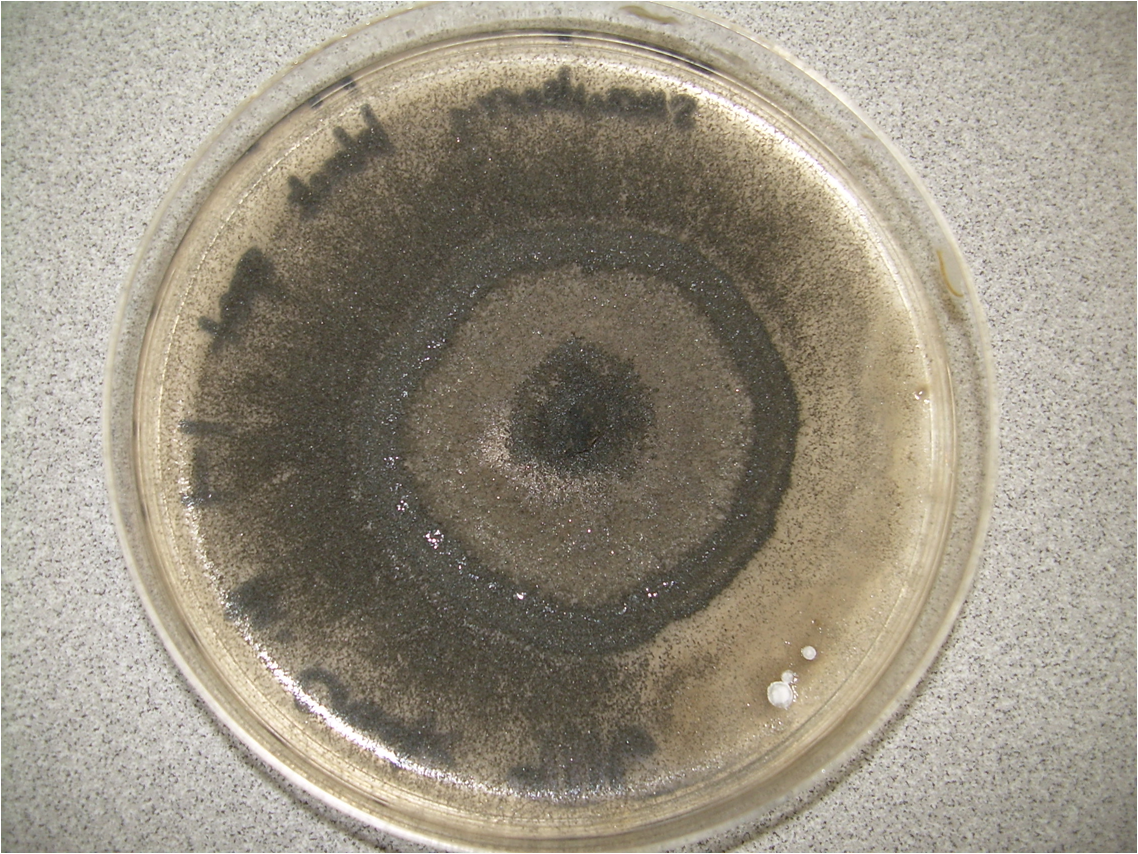
Alternaria
Alternaria alternata
One of the most well-known asthma triggers — outdoor exposure is normal, but indoor growth concentrates spores and can drive severe respiratory reactions in sensitized people. Ulocladium, a visually similar genus, is grouped with Alternaria on most lab reports.
- Where it's found
- Window seals, shower stalls, around tubs, under sinks. Wherever condensation lingers.
- What it looks like
- Dark grey-green or brown; wool-like or velvety.
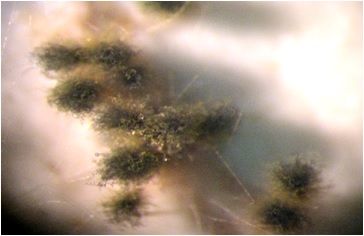
Chaetomium
Chaetomium globosum
A water-damage indicator species — its presence almost always means a hidden long-term moisture problem. Can produce mycotoxins; linked to allergic and neurological symptoms.
- Where it's found
- Behind drywall and under wood floors that experienced flooding or a sustained leak.
- What it looks like
- Starts white and cottony, then matures to grey, brown, or black.
Not sure what you're looking at? Request a free inspection — we'll test, identify, and remove any species we find.
Frequently Asked Questions
Answers to the questions Naples homeowners ask most often about mold inspection, removal, remediation, and what to do first when you suspect a problem.
How much does mold inspection and removal cost?
How long does mold remediation take?
Is black mold actually dangerous?
Does homeowners insurance cover mold removal?
What are the health symptoms of mold exposure?
Can I clean up mold myself with bleach?
Do I need to leave my home during mold remediation?
Should I get a mold inspection before buying a home?
What should I do first if my home flooded?
What is clearance testing and do I need it?
How fast can you come out for an inspection?
What happens during a mold inspection?
Don't see your question? Ask us directly — we respond within one business day.
Also Serving Nearby Areas
Get Your Free Mold Estimate
Tell us what's going on and we'll get back to you within one business day — free, no obligation.